Geopolitical tensions shake confidence across global financial markets
Global financial markets are entering a new phase of uncertainty as rising tensions linked to the ongoing Iran conflict begin to influence investor sentiment worldwide. Analysts say the situation is creating unpredictable conditions, forcing traders and institutions to rethink traditional investment strategies.
According to a recent report published by Binance News, geopolitical developments are now playing a stronger role in shaping market behavior, adding pressure to an already fragile global economic environment. The conflict has introduced new risks that investors are struggling to measure, making market movements harder to predict.
Traditional investment strategies losing reliability
For years, investors have relied on familiar strategies during market downturns including the popular “buy the dip” approach. However, experts warn that current geopolitical uncertainty may weaken the effectiveness of such methods.
Market observers note that multiple economic and political factors are now interacting at the same time. Rising tensions in the Middle East, global inflation concerns, and cautious monetary policies are creating a complex environment where markets react quickly to news headlines rather than long-term fundamentals.
This shift means investors must adapt faster than before. Sudden price swings across stocks, commodities, and cryptocurrencies are becoming more common, reflecting growing nervousness among global traders.
Ripple effects spreading across global economies
The impact of geopolitical instability rarely remains limited to one region. Analysts believe the Iran conflict could influence energy prices, international trade routes, and investor confidence — all of which directly affect global markets.
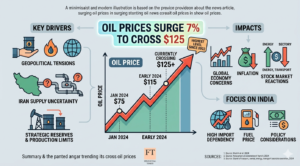
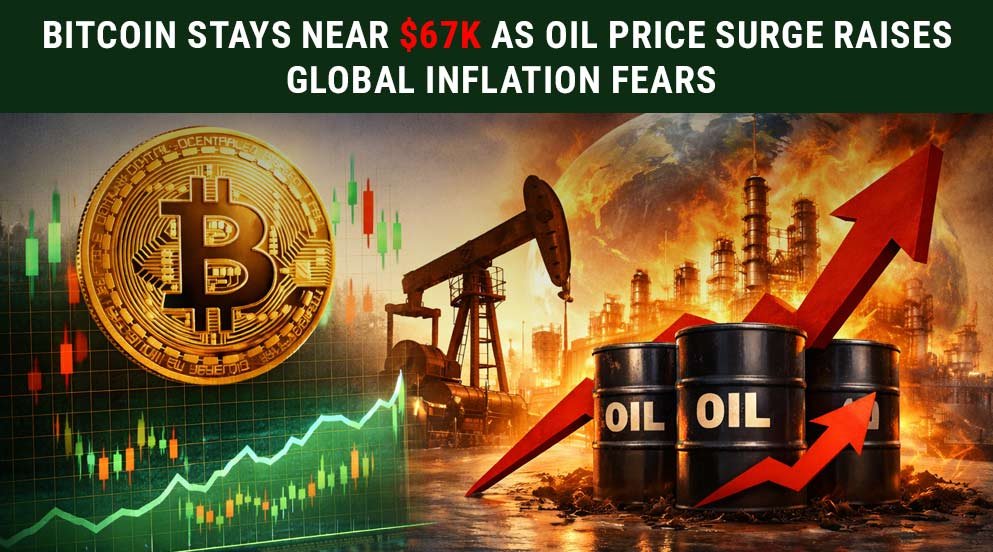
Energy markets are particularly sensitive to developments in the Middle East due to the region’s importance in global oil supply. Even the possibility of disruption can trigger volatility, pushing investors toward safer assets while riskier markets experience sharp fluctuations.
Financial experts say uncertainty itself often becomes the biggest market driver. When investors lack clear direction, trading decisions tend to become defensive, leading to reduced risk appetite and slower investment flows.
Investors navigating an unpredictable environment
Another challenge facing traders is the speed at which information spreads today. Social media updates, policy announcements, and geopolitical headlines can move markets within minutes.
Reports suggest that analysts are finding it increasingly difficult to rely on historical patterns when forecasting market trends. Instead, investors are paying closer attention to global events and political developments alongside economic data.
The current environment highlights how interconnected modern financial markets have become. A conflict in one region can quickly influence currencies, stock exchanges, and digital assets across the world.
What this means for the future of markets
While markets have historically recovered from geopolitical shocks, experts believe the duration and intensity of the conflict will play a key role in determining long-term stability.
Investors are being encouraged to remain cautious, diversify portfolios, and stay informed rather than react emotionally to short-term volatility. Adaptability, analysts say, may become the most valuable strategy in today’s rapidly changing financial landscape.
As uncertainty continues, global markets are likely to remain sensitive to geopolitical developments, reminding investors that economic trends and world events are now more connected than ever before.
Source – Click Here