
First Major Bitcoin Exchange: The Beginnings and Rise of Mt. Gox
Have you heard of Mt Gox Beginnings? If not, then I landed on the right page. Mt. Gox’s beginnings are inseparable from Bitcoin’s history, as it played a major role in shaping Bitcoin trading, pricing, and its worldwide understanding. Earlier, Mt. Gox wasn’t just an exchange; it was the core of the Bitcoin trading system.
Let’s understand how Mt. Gox supported the early evolution of the cryptocurrency markets and how the impactful ways it addressed the challenges remain useful in the Bitcoin and crypto industry today.
The World Before Mt. Gox
Earlier, Bitcoin trading was limited and informal, as it lacked official pricing and a structured marketplace. At that time, users exchanged coins directly via forums, email, or chat rooms. However, they were risky, inconsistent, and slower.
The years pass, and so does people’s interest in Bitcoin; yet it wasn’t centralised, which was a problem for many. It created anarchy among people as they needed a reliable trading platform to buy or sell Bitcoin using traditional currencies. That gap was significant in the Bitcoin and cryptocurrency ecosystem and was later addressed, setting the stage for the creation of Mt. Gox.
What Was Mt. Gox originally?
Mt. Gox didn’t start or launch the Bitcoin exchange—yet the name itself stood for Magic: The Gathering Online Exchange. This was originally developed in 2007 by Jed McCaleb as a platform for trading cards. This was created from the fantasy of a popular card game, Magic: The Gathering.
This platform wasn’t linked to finance or digital currencies in the early days. Yet, it underlined the structure that allowed users to trade digital items and was adaptable for other purposes. McCaleb introduced Bitcoin in 2009-2010.
The Transition to a Bitcoin Exchange
In July 2010, Mt. Gox officially launched as a Bitcoin exchange, marking a major turning point in Bitcoin history. In the year, first-time users had easy access to a platform that centralised the trading of Bitcoin for fiat currencies.
Mt Gox gained great popularity for its simpler interface, which made basic order matching easier for users. It can even convert Bitcoin into real money. At the same time, Bitcoin was still unknown to many, so its introduction became revolutionary.
Early Growth and Dominance
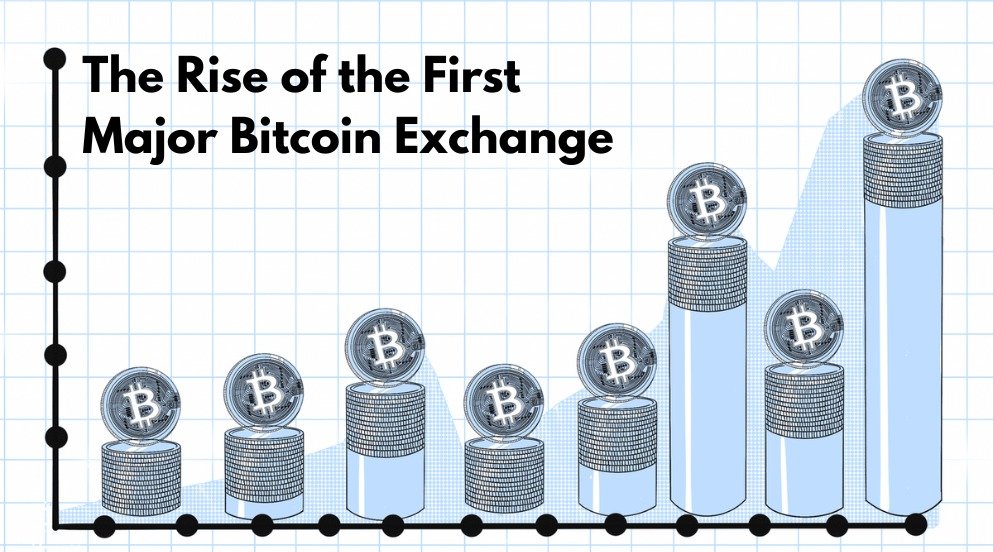
The year passed, and by 2011, Mt. Gox had become the largest Bitcoin exchange globally. When it reached its peak, it was handling almost the 70th percentile of all Bitcoin exchange and trading volume worldwide. Thus, it enters a state of dominance, which is unprecedented and risky.
Change in Ownership and Management
Later in the same year (2011), Mt. Gox was sold by Jed McCaleb to Mark Karpeles, a well-known French developer residing in Japan. This led to Mt. Gox being acquired by a new owner, who faced additional complexities due to internal operations.
Over time, as Bitcoin’s popularity grows, trading volume increases as more customers deposit and use it regularly. But it struggled within its infrastructure and security practices.
Technical and Security Weaknesses
At the same time, Mt. Gox faced many technical challenges, including frequent platform downtime, withdrawal delays, and system bugs. In fact, there were weaker security or encrypted policies than modern standards.
Early Warning Signs
At the time when Mt. Gox was in its growing phase, there were still some signs of trouble. Many users have issues with poor customer support, unexplained account errors, and withdrawal delays. Despite such issues, many still rely on it because it is reliable and there are few alternatives.
Mt. Gox and Bitcoin’s Early Reputation
In shaping the bitcoin publicly, Mt. Gox has always been a major player. Its existence today makes Bitcoin legitimate, with a properly structured marketplace. At the same time, it even contributed to scepticism about Bitcoin’s reliability, linked to failures across the entire system at the back end. Later, this misunderstood concept highlighted a point that bitcoin and exchanges aren’t the same thing.
Why Did Mt. Gox Become So Important?
The perfect isn’t the reason for Mt. Gox’s importance; rather, it’s its earliest launch, which filled the gap when Bitcoin and the exchange ecosystem were still in the process of formation. Later in years, it even showed the increased demand for digital assets over trading platforms—inspiring the creation of future exchanges.
Lessons From Mt. Gox’s Beginnings
There are as many key lessons to know with Mt. Gox’s early days launch and establishing the industry, like
- Centralised exchanges may need stronger encryption and security.
- Transparency and risk management go hand in hand.
- The stability of infrastructure can be risky, so stability matters to avoid risks.
- There is a separate approach for trust in technology and trust in institutions.
The Final Verdict: Impact on the Modern Crypto Industry
That sophisticated approach in modern exchanges today is all because of the evolution and dangers that occurred in Mt. Gox. All aspects, like storage, audits, regulatory compliance, and insurance mechanisms, become the core when it collapses. It even helped people to learn that exchanges are treated as financial institutions, not as experimental software projects.
From its beginnings to modern times, Mt. Gox has a well-defined history with Bitcoin and exchanges. Now, bitcoin exchanges are the world’s largest, but the credit for that global attention goes to Mt. Gox. Today’s crypto market is largely due to Mt. Gox’s evolution, providing valuable insights into how digital assets can be safer, more trustworthy, and more reliable.
More From Us: – Read More